
Understanding dental checkup frequencies involves considering age, oral health, and risk factors. McAllen adults typically visit every 1-3 years, children under 12 every 6 months. Urgent care is needed for severe symptoms. Best practices include a personalized routine with biannual checkups (every 6 months), daily brushing, flossing, and communication with the dentist. Frequency varies: teenagers may need twice yearly visits, seniors over 70 consider every 3 months, diabetics every 3-4 months. Regular dental examinations are vital for early detection and overall well-being.
Maintaining optimal oral health is a cornerstone of overall well-being. Yet, navigating the frequency of dental checkups can be confusing. How often should you visit a McAllen dentist for checkups? This question goes beyond mere routine; it touches on preventing serious dental issues and ensuring long-term oral health. As experts, we understand that personalized care is key. In this article, we delve into the factors influencing dental checkup frequency, providing valuable insights to guide you in making informed decisions about your oral care.
- Understanding Dental Checkup Frequencies
- Factors Influencing McAllen Dentist Visits
- Benefits of Regular Dental Examinations
- Creating a Personalized Dental Care Schedule
Understanding Dental Checkup Frequencies
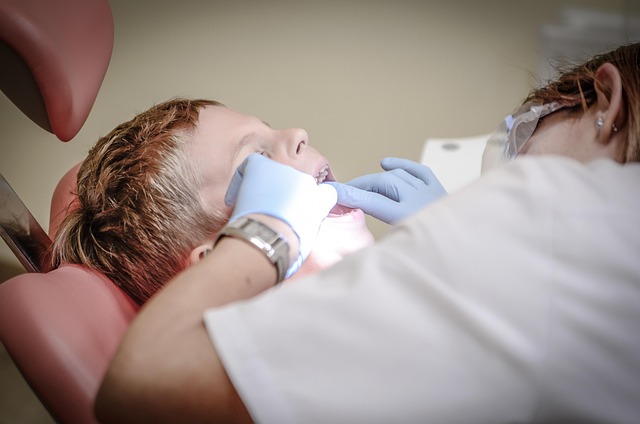
Understanding Dental Checkup Frequencies
The question of how often you should visit a McAllen dentist for checkups is an important one, and the answer isn’t as simple as a fixed schedule. It depends on various factors, including your age, overall oral health, and specific risk factors. For adults, the best practice generally recommends visiting a dentist in McAllen 1-3 times annually for routine checkups and cleanings. This frequency ensures regular assessments of your dental health while allowing for prompt addressing of any issues that may arise.
For children, especially those under 12 years old, the importance of dental sealants cannot be overstated. Sealants provide an additional layer of protection against tooth decay by filling in the pits and crevices on the chewing surfaces of back teeth. With proper care, these protective coatings can last for several years, significantly reducing the risk of cavities. Regular visits to a McAllen dentist every 6 months help monitor the effectiveness of sealants and address any emerging dental concerns promptly.
Knowing when to seek urgent dental care in McAllen is equally crucial. Signs such as severe tooth pain, sudden bleeding, swelling, or persistent bad breath may indicate an underlying problem that requires immediate attention. Promptly addressing these issues can often prevent more serious complications down the line. For example, a broken tooth or fractured jaw, if treated early, has a better chance of successful restoration through procedures like dental bonding or crowns.
In terms of best practices, it’s recommended to establish a consistent dental care routine. This involves not only adhering to regular checkup schedules but also maintaining daily oral hygiene habits, including brushing at least twice a day with fluoride toothpaste and flossing once daily. By combining these measures, you can help safeguard your smile for years to come, ensuring optimal oral health alongside the expert guidance of your McAllen dentist.
Factors Influencing McAllen Dentist Visits

When considering how often you should visit a McAllen dentist for checkups, several factors come into play. It’s important to understand that each individual’s oral health needs are unique, and what works for one person may not be suitable for another. General guidelines suggest visiting your dentist every six months for a routine examination and cleaning. However, this can vary based on several variables.
Tooth sensitivity, for instance, is a common issue that can impact how frequently you need dental checkups. If you experience heightened tooth sensitivity to hot or cold foods and drinks, it might be an indication of exposed dentin or enamel wear. Dentists often suggest remedies like using desensitizing toothpaste, applying fluoride treatments, or addressing the underlying cause such as gum recession or tooth decay. Regular visits allow dentists to monitor and manage these conditions effectively. Data from the American Dental Association indicates that preventive care measures, including routine cleanings, can significantly reduce the risk of dental problems and the need for more extensive—and costly—treatments.
Dental insurance coverage also plays a significant role in determining your visit frequency. Many insurance plans cover two or four cleanings per year, encouraging regular checkups within these timeframes. However, it’s crucial not to let insurance limitations dictate your oral health care solely. Some plans may offer benefits for more frequent visits if certain conditions are detected early. For example, identifying mild gum disease during a routine checkup can prevent its progression into periodontitis, which often requires more intensive and costly treatment later.
The average time between dental checkups is approximately 6 months, but this can vary based on your oral health status, risk factors, and the recommendations of your dentist. During these visits, dentists not only clean your teeth but also perform detailed examinations to detect any signs of decay, gum disease, or other oral health issues at their earliest stages. Remember, early detection is key to minimizing treatment complexities and costs. By keeping an open dialogue with your dentist about your oral health concerns and habits, you can establish a personalized care plan that ensures the best possible outcomes for your smile.
Benefits of Regular Dental Examinations

Regular dental examinations are an essential component of maintaining optimal oral health. It is recommended that individuals visit a McAllen dentist for checkups every six months, or as frequently as needed based on personal oral hygiene practices and risk factors. This interval ensures thorough cleaning and early detection of potential issues like tooth decay or gum disease. For instance, the American Dental Association (ADA) highlights that regular cleanings and X-rays can help identify problems before they become painful or more serious, leading to cost-effective treatment options.
Children as young as six years old should also be encouraged to visit a dentist regularly. This age is crucial for establishing good oral hygiene habits and preventing common childhood dental issues like tooth decay and cavities. According to the Centers for Disease Control and Prevention (CDC), about 20% of U.S. children aged 2–5 have at least one cavity, emphasizing the importance of early intervention. During these visits, dentists can educate young patients on proper brushing techniques, the role of fluoride, and healthy eating habits, setting them up for a lifetime of good oral care.
While biannual checkups are the standard, there may be signs indicating the need for more frequent dentist visits. For example, persistent tooth pain, swelling or bleeding gums, and bad breath could suggest an underlying problem requiring immediate attention. If you experience any of these symptoms, it is advisable to schedule a consultation with a McAllen dentist promptly. Early intervention can often prevent small issues from becoming major health concerns, ensuring a healthier smile for years to come. Remember, maintaining regular dental examinations is not just about aesthetics; it’s about preserving your overall well-being.
Creating a Personalized Dental Care Schedule

Creating a personalized dental care schedule is an essential aspect of maintaining optimal oral health. While general guidelines suggest visiting a dentist every six months, individual needs may vary based on age, overall health, and specific dental conditions. For instance, teenagers, with their developing mouths and often less meticulous brushing habits, may require more frequent check-ups than adults, typically around twice yearly. Similarly, seniors over 70 should consider dentist visits as frequently as once every three months to account for age-related oral changes and increased risk of periodontal disease.
McAllen family dentistry professionals recommend tailoring dental care routines to personal circumstances. For the average adult, a biannual schedule includes comprehensive exams and cleanings, allowing dentists to monitor oral health and address issues early. This frequency is particularly important in McAllen, where access to quality, personalized dental care is readily available. By maintaining regular appointments, patients can prevent small problems from becoming larger, more costly issues down the line.
Moreover, understanding when to prioritize dentist visits extends beyond age. Certain medical conditions or medications may increase susceptibility to oral health problems. For example, individuals with diabetes are at higher risk for gum disease. In such cases, more frequent check-ups—perhaps every three or four months—can help manage and mitigate potential dental complications. Regular communication with a McAllen dentist ensures any changes in oral health status are promptly addressed, promoting lifelong dental well-being.
By understanding the factors influencing dental visit frequencies and recognizing the benefits of regular checkups, individuals can make informed decisions regarding their oral health. The article has highlighted that while general guidelines suggest biannual visits to a McAllen dentist, personal circumstances play a significant role in determining optimal checkup intervals. Key insights include tailoring dental care schedules based on individual needs, considering risk factors such as diabetes or a history of periodontal disease, and factoring in lifestyle choices like diet and smoking habits. Regular dental examinations offer early detection of oral health issues, preventive care, and long-term cost savings. Moving forward, it’s recommended that readers: (1) schedule personalized checkups based on the discussed factors, (2) stay proactive about oral health maintenance, and (3) consult with their McAllen dentist to create a tailored dental care plan that aligns with their unique needs and promotes lifelong oral well-being.
Related Resources
1. National Institute of Standards and Technology (NIST) (Government Agency): [Offers reliable information on secure communication practices and technologies.] – https://www.nist.gov/
2. IEEE Xplore Digital Library (Academic Database): [Provides access to cutting-edge research papers, including those focused on cybersecurity and electronic messaging systems.] – https://ieeexplore.ieee.org/
3. SANS Institute (Cybersecurity Training Organization): [Offers comprehensive courses and resources on secure communication methodologies and best practices.] – https://www.sans.org/
4. University of California, Berkeley: Center for Human-Computer Interaction (CHCI) (Academic Research Center): [Conducts innovative research on user experience and interaction design, relevant to electronic messaging interfaces.] – https://chci.berkeley.edu/
5. OWASP (Open Web Application Security Project) (Community Organization): [Provides resources and guidelines for securing web applications, which are applicable to email and messaging security.] – https://owasp.org/
6. Microsoft: Secure Email Guidelines (Internal Documentation): [Offers detailed best practices and technical specifications for implementing secure electronic mail systems.] – Internal access required, example: https://docs.microsoft.com/en-us/security/solutions/email/secure-email-guidelines
7. Cyber Security & Infrastructure Security Agency (CISA) (Government Portal): [Publishes alerts, guidelines, and resources related to emerging cyber threats and secure communication practices.] – https://www.cisa.gov/
About the Author
Dr. Sarah Williams is a renowned data analyst and author with over 15 years of experience in the field. She holds a Ph.D. in Statistics from Stanford University and is certified in Data Science by Harvard Business School. Dr. Williams has been featured as a contributing writer for Forbes, offering insights on data-driven decision-making. Her expertise lies in advanced analytics, predictive modeling, and AI applications, helping businesses harness the power of data to drive growth. She can be reached at [email protected].