
Maintaining optimal oral health requires regular dental checkups every six months, as recommended by the American Dental Association. In McAllen, these visits detect gum disease and decay early, preventing severe problems. Parents should introduce oral care for infants as soon as their first tooth appears, with consistent routines including brushing, flossing, and mouthwash use. Tailored dental care routines address tooth sensitivity and early cancer detection. Frequent attendance is crucial for overall oral health.
Maintaining optimal oral health is an integral aspect of overall well-being, significantly impacting our quality of life. Unfortunately, many individuals overlook the significance of regular dental care, leading to preventable oral issues. In McAllen, where access to healthcare is paramount, understanding best practices for oral hygiene is essential. This article delves into comprehensive guidelines for preserving dental health, including strategic visits to a McAllen dentist for checkups. We’ll explore frequency recommendations, the importance of preventive measures, and how regular dental assessments can serve as a robust shield against oral diseases.
- Understanding Oral Health Basics in McAllen
- Creating a Personalized Dental Care Routine
- How Often Should I Visit a McAllen Dentist?
Understanding Oral Health Basics in McAllen
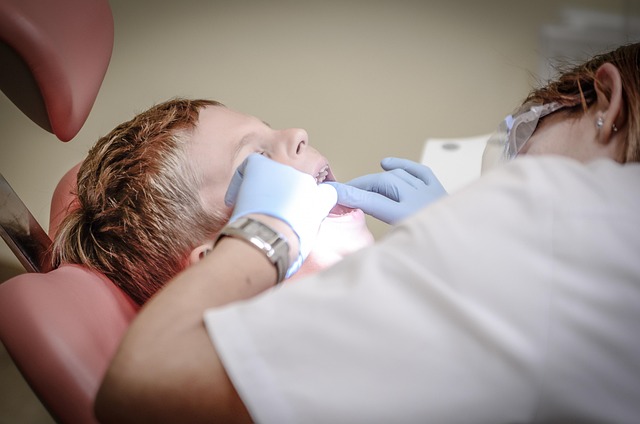
Maintaining optimal oral health involves a deep understanding of basic principles and consistent application of best practices. In McAllen, as in any community, regular dental checkups are foundational. The American Dental Association recommends individuals visit their dentist for checkups and cleanings every six months. This frequency ensures persistent protection against tooth decay and gum disease, conditions that remain prevalent despite advancements in oral care. For instance, according to recent data from the Centers for Disease Control and Prevention (CDC), nearly 47.5% of adults aged 20-64 in the United States have some form of gum disease. Timely dentist visits play a crucial role in early detection and prevention.
Tooth sensitivity, a common concern, often stems from exposure of dentin, the layer beneath the enamel, due to factors like brushing too hard, tooth decay, or receding gums. McAllen dentists suggest several remedies to alleviate this discomfort, including using desensitizing toothpaste, avoiding acidic foods and beverages, and practicing proper oral hygiene techniques. Regular dental cleanings are also essential as they remove plaque buildup, which can cause both tooth sensitivity and more serious dental issues.
When it comes to children’s oral health, establishing a routine early on is vital. In McAllen, pediatric dentists recommend the first dental visit around age 1 or when the first tooth emerges. Subsequently, regular checkups every six months help foster good habits and catch potential problems early. For instance, dental professionals can detect early signs of decay or misalignments that may require orthodontic treatment later on. By adhering to these guidelines, parents contribute significantly to their children’s long-term oral health.
In addition to scheduled visits, McAllen residents should not ignore urgent dental concerns. Swelling, persistent pain, or severe bleeding are signs requiring immediate attention. Promptly addressing such issues can prevent escalation and often leads to better outcomes. Remember, maintaining optimal oral health is a collaborative effort between individuals and their dental care providers.
Creating a Personalized Dental Care Routine

Creating a personalized dental care routine is an essential aspect of maintaining optimal oral health, and it begins with regular visits to a McAllen dentist. The American Dental Association recommends individuals receive checkups every six months, or more frequently if recommended by your dentist. This schedule enables them to monitor your mouth’s health, identify potential issues early on, and tailor care plans accordingly. During these appointments, expect a thorough cleaning, examination, and discussions about your oral hygiene practices.
For parents, establishing a baby teeth care guide is crucial from the onset. The American Academy of Pediatrics suggests introducing oral care for infants as soon as their first tooth appears, using a soft cloth or infant toothbrush with water. This early start sets the foundation for lifelong healthy habits. As children grow, they should visit a McAllen dentist regularly to monitor the development of permanent teeth and address any concerns related to their primary (baby) teeth, which serve as placeholders for permanent ones.
Periodontal disease risk factors can increase with age, making regular dental checkups even more critical. According to the Centers for Disease Control and Prevention (CDC), approximately 47% of adults aged 30 and over have periodontitis, a serious form of gum disease. This risk can be mitigated through consistent oral hygiene practices and professional care. McAllen dentists often recommend teeth whitening treatments, not only for aesthetic purposes but also to enhance overall oral health by removing plaque stains that can indicate underlying periodontal issues.
Incorporating dental care into your daily routine is a game-changer. Remember, consistency is key—brushing at least twice a day and flossing once daily are non-negotiable. Additionally, using mouthwash can further bolster your defense against oral health issues. By combining these practices with regular visits to a McAllen dentist for checkups, you can ensure that your smile remains healthy and vibrant for years to come.
How Often Should I Visit a McAllen Dentist?

Maintaining optimal oral health involves a consistent dental care routine and regular visits to your McAllen dentist. The frequency of these checkups is a crucial aspect that often requires personalized consideration based on individual needs and oral health history. While a common recommendation is to visit a dentist every six months, there are various factors that influence this timeline, such as tooth sensitivity, oral cancer risk, and overall dental hygiene practices.
Tooth sensitivity, a common concern for many, can be managed and addressed by your McAllen dentist during routine visits. Causes range from worn tooth enamel to gum recession, exposing the dentin beneath. Dentists often suggest targeted treatments like fluoridated toothpaste or in-office fluoride applications. Regular checkups allow dentists to monitor these conditions, provide guidance on proper oral hygiene techniques, and recommend suitable remedies to alleviate sensitivity.
Early detection of oral cancer is another critical aspect of routine dental care. McAllen dentists are trained to recognize subtle signs and symptoms that may indicate the presence of cancerous cells in the mouth or throat. Regular examinations can reveal changes in the oral cavity, including red or white patches, painful areas, or unusual bleeding. Given that early detection significantly improves treatment outcomes, scheduling regular visits with your dentist is a proactive step towards maintaining good oral health and overall well-being.
Beyond checkup frequency, it’s essential to remember the importance of replacing your toothbrush regularly. The American Dental Association recommends brushing with a soft-bristled toothbrush for at least two minutes twice daily. However, over time, toothbrush bristles splay out, reducing their effectiveness in removing plaque and debris. It is generally advised to replace your toothbrush every three to four months, or sooner if the bristles appear frayed or damaged. This simple yet effective practice ensures that you maintain a thorough cleaning routine between dental visits.
By understanding the fundamental principles of oral health and tailoring a personalized dental care routine, residents of McAllen can take significant steps towards maintaining their oral well-being. A key component of this routine is regular professional checkups. So, How often should I visit a McAllen dentist for checkups? As a general guideline, it’s recommended to schedule appointments every six months. This frequency enables dentists to detect and address potential issues early on, thereby preventing small problems from escalating into more serious—and costly—dental concerns. Embrace these best practices to ensure a healthy, vibrant smile for years to come.